
If your dog is constantly shaking their head, it’s hard not to worry. While an occasional head shake is normal, excessive or repetitive shaking usually points to an underlying problem that may need veterinary attention.
We outline the common reasons why a dog may excessively shake its head, what you can do, and when to seek veterinary help.
Table of Contents
Dog Excessively Shaking Head: Why It Happens
Excessive head shaking in dogs is often a reaction to irritation, discomfort, or pain in the ears or surrounding areas.
It can be triggered by ear infections, ear mites, allergies, trapped water after bathing, or even foreign objects lodged in the ear canal.
Sometimes, a deeper neurological or systemic issue may be involved. When head shaking becomes frequent, aggressive, or leads to self-injury, it signals that your dog is struggling with more than just a passing itch.
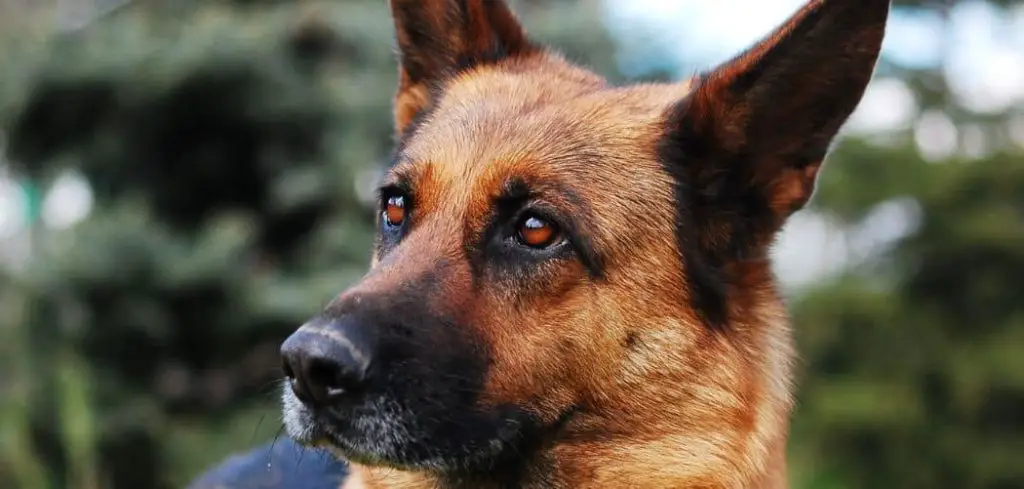
Dog Excessively Shaking Their Head: Common Causes
Ear Infections
Ear infections are one of the most common causes of frequent head shaking.
Dogs with ear infections often shake their heads in an attempt to relieve itching, discomfort, or pain deep in the ear canal.
You may also notice redness, discharge, or a foul odor coming from the ear.
These infections can be caused by bacteria, yeast, or a combination of both, and are particularly common in dogs with floppy ears like Cocker Spaniels and Golden Retrievers.
Left untreated, infections can become chronic and may damage the eardrum or hearing.
Related: Dog licking paws and shaking their head (What it means)
Ear Mites
Ear mites are tiny parasites that live in the ear canal and feed on wax and skin oils.
They are more common in puppies and rescue dogs and can cause intense itching, resulting in constant head shaking and scratching at the ears.
You may notice a dark, crumbly debris resembling coffee grounds inside the ears, which is a telltale sign of ear mites.
If not treated, ear mites can lead to inflammation and secondary infections.
Allergies (Environmental or Food)
Allergies can lead to chronic ear inflammation in dogs, causing them to shake their heads frequently.
Environmental allergens like pollen, dust mites, or mold can cause the skin inside the ear to become itchy and inflamed. Food allergies may also contribute, especially in dogs with recurrent ear problems.
You might also see signs like paw licking, skin redness, or chronic ear wax buildup.
Managing allergies often requires identifying the trigger and using medications or dietary changes to reduce symptoms.
Water Trapped in Ears
If your dog recently had a bath or swim, water may have become trapped in the ear canal.
This can create a moist environment that irritates the ear and predisposes it to infection.
Dogs may shake their heads vigorously to try to expel the water. If the shaking persists for more than a day or is accompanied by signs of discomfort, it’s wise to have the ears checked.
Drying your dog’s ears properly after water exposure can help prevent this issue.
Foreign Object in the Ear
Grass seeds, dirt, or other foreign material can become lodged in a dog’s ear during walks or playtime.
Even a small object can cause intense irritation, leading to nonstop head shaking.
In some cases, dogs will paw at the affected ear or hold their head to one side.
Removing the object typically brings quick relief, but it’s best handled by a vet to avoid damaging the ear canal.
Aural Hematoma
Frequent head shaking can sometimes lead to an aural hematoma — a painful swelling in the ear flap caused by burst blood vessels.
This usually looks like a soft, puffy area on one or both ears.
It’s often the result of trauma from excessive scratching or shaking and may require surgical correction if it doesn’t resolve on its own.
If your dog develops a swollen ear flap along with head shaking, prompt vet care is essential.
Related: Dog shaking head excessively suddenly (Why it happens)
Dog keeps shaking head but ears are clean
If a dog keeps shaking its head despite clean-looking ears, the irritation may be deeper in the ear canal or related to allergies rather than visible debris.
Inflammation, early infection, yeast overgrowth, ear mites, foreign material, or skin allergies can all cause discomfort without obvious discharge.
Head shaking is the dog’s way of relieving irritation, and ongoing shaking can quickly worsen inflammation even when the ears appear normal.
Dog keeps shaking head and tilting to one side
Head shaking combined with a head tilt often signals a more serious ear or neurological issue. Common causes include middle or inner ear infections, vestibular disease, severe inflammation, or trauma.
Dogs may also appear off-balance or disoriented. This combination of symptoms should be evaluated promptly, as delayed treatment can lead to permanent balance or hearing problems.
My dog keeps shaking his head like he has something in his ear
When a dog shakes his head as if something is stuck in the ear, it usually means there is irritation or pressure inside the ear canal.
This can be caused by a foreign object (such as grass seed or dirt), early ear infection, yeast overgrowth, inflammation, allergies, or even trapped moisture after bathing.
Even if nothing is visible from the outside, the discomfort can be deeper in the ear. Persistent head shaking should be checked promptly to prevent worsening infection or damage to the ear canal.
Senior dog keeps shaking head but ears are clean
In senior dogs, head shaking with clean ears is especially concerning because it may be linked to chronic ear disease, tumors, nerve damage, or age-related vestibular disorders.
Older dogs are also more prone to allergies and immune changes that cause inflammation without obvious signs.
Any persistent head shaking in a senior dog warrants veterinary assessment.
Dog keeps shaking head at night
Head shaking that is more noticeable at night often occurs because discomfort feels worse when the dog is resting and there are fewer distractions.
Allergies, inflammation, or ear pressure can intensify in the evening, prompting repeated shaking. Nighttime head shaking may also disrupt sleep and indicate an unresolved ear problem.
If it happens regularly or is accompanied by scratching, head tilting, redness, or whining, veterinary evaluation is recommended.
What to Do If Your Dog Is Excessively Shaking Their Head
If your dog is persistently shaking their head, start by checking their ears for visible signs of redness, swelling, debris, or foul odor.
Gently wipe the outer part of the ear with a damp cloth if you see wax buildup, but avoid inserting anything into the ear canal.
If your dog recently swam or had a bath, ensure the ears are completely dry. Use a vet-approved ear-drying solution if needed.
For dogs with seasonal allergies, talk to your vet about antihistamines or anti-inflammatory treatments to reduce flare-ups.
Avoid home remedies or over-the-counter ear cleaners unless directed by your vet, as these may worsen certain infections or irritate sensitive ears.
When to Call or Visit Your Vet
See your vet if your dog’s head shaking:
Persists for more than 24 hours.
Is accompanied by ear redness, swelling, discharge, or odor.
Is paired with scratching, whining, or pawing at the ears.
Results in swelling of the ear flap (aural hematoma).
Follows swimming or bathing and doesn’t resolve quickly.
Occurs alongside other symptoms like balance issues, lethargy, or loss of appetite.
Frequent or intense head shaking can damage the ears and worsen any underlying problem, so timely veterinary care is important.
Read more: Dog Excessively Barking (Here’s why)
Read more: Dog Excessively Farting (When should you worry?)
Treatment for dog shaking head
Treatment depends on the underlying cause and may include medicated ear drops, anti-inflammatory medications, allergy management, parasite treatment, or antibiotics or antifungals if infection is present.
In some cases, imaging or further testing is needed to identify deeper ear or neurological problems.
Home remedies should be avoided until a proper diagnosis is made, as incorrect treatment can worsen ear damage.
Key Takeaway
If your dog is excessively shaking their head, it’s likely due to discomfort, especially in the ears.
While minor irritation may resolve on its own, persistent shaking could signal an infection, mites, or a deeper issue that needs attention.
Check their ears, avoid inserting anything deep inside, and reach out to your vet if signs don’t improve.
Acting early helps relieve your dog’s discomfort and prevents complications from developing further.